
Floor Cleaners for Healthcare Facilities in Tennessee
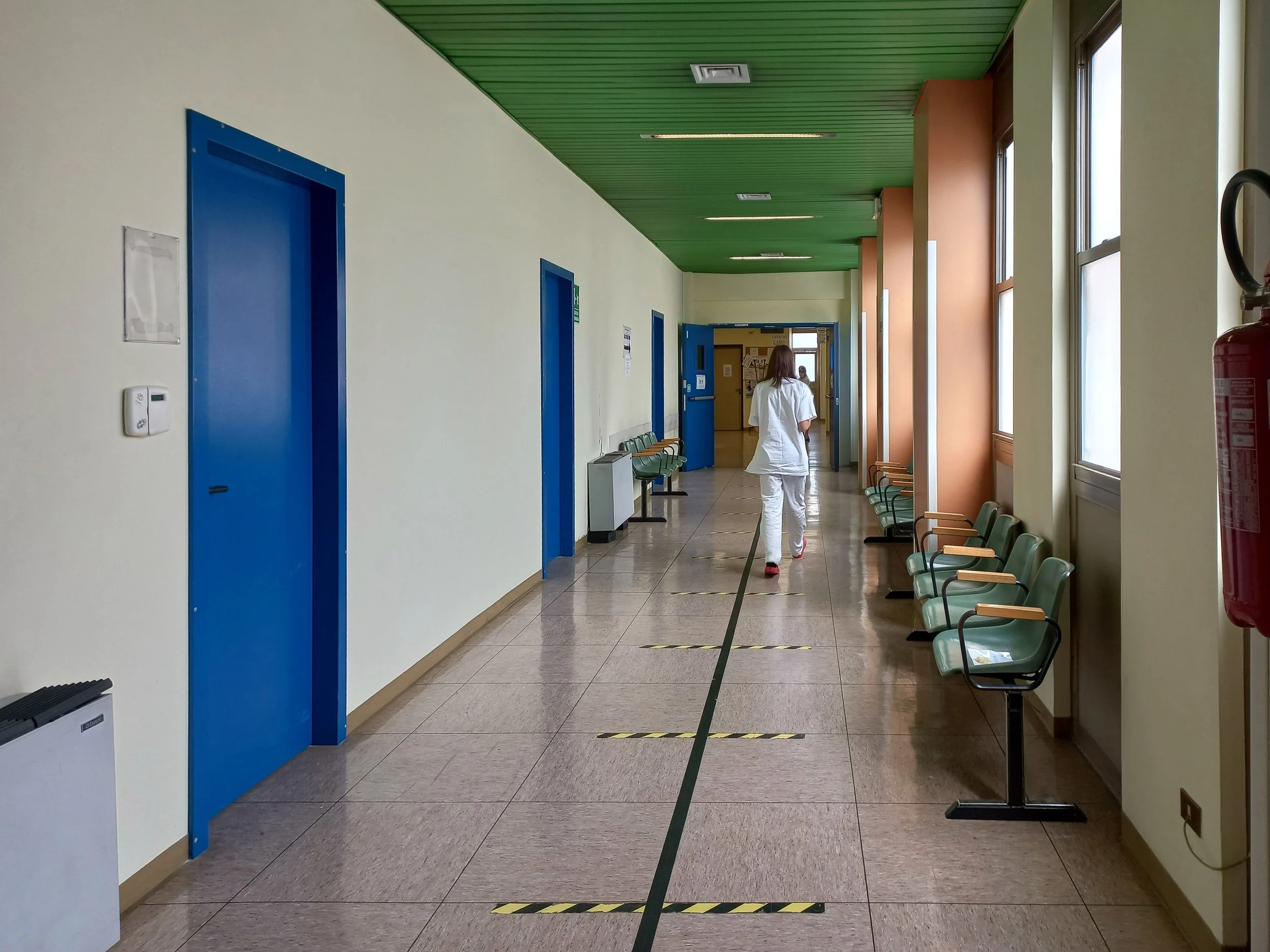
A hospital or clinic floor gets more foot traffic — and carries more risk — than almost any other surface in a healthcare facility. Pick the wrong cleaner, and you're not just cutting corners on shine; you're leaving a surface that can harbor pathogens between cleanings. For facilities managers across Jackson, Tennessee, and the broader Southeast, choosing floor cleaning chemicals for a hospital, clinic, or long-term care facility means balancing infection control requirements with the practical realities of daily maintenance.
Why Floor Cleaning Protocol Matters More in Healthcare Settings
Floors aren't typically classified as high-touch surfaces, but they're walked on by patients, staff, and equipment all day, making them a real vector for cross-contamination if cleaning falls short. The CDC's environmental infection control guidance is clear on one point facilities often overlook: applying a disinfectant to a visibly soiled floor leaves organic matter behind that can chemically neutralize the germicide, regardless of the product's label claims.
In other words, cleaning and disinfecting are two separate steps, and skipping the first undermines the second — whether the floor is in an operating room, a corridor, or a waiting area.
EPA-Registered Disinfectants: What Tennessee Facilities Should Look For
Not every disinfectant on the shelf is appropriate for a healthcare environment. CDC guidance points facilities toward EPA-registered hospital disinfectants, and for facilities managing specific pathogen risks, the EPA's registered product lists get more specific still — for example, sporicidal products are required for terminal cleaning in rooms where C. difficile has been present.
Quaternary ammonium compounds, commonly called "quats," remain one of the most widely used disinfectant classes in healthcare facilities because of their broad effectiveness against pathogens including MRSA, E. coli, and influenza, combined with a lower cost per use than many alternatives. Hydrogen peroxide-based disinfectants are another common choice, particularly where facilities want a product that breaks down without leaving harmful residue on flooring.
Neutral Cleaners vs. Hospital-Grade Disinfectants: Knowing When to Use Each
Daily maintenance cleaning and infection-control disinfecting call for different products, and using the wrong one in the wrong spot creates its own problems. Neutral pH floor cleaners are the right choice for routine daily maintenance because they clean effectively without breaking down floor finish, which means fewer stripping and recoating cycles over the life of the flooring. Hospital-grade disinfectants are reserved for surfaces and situations where pathogen control is the priority — patient rooms, operating rooms, and any area following a known contamination event.
Facilities relying on one all-purpose product for both jobs often end up damaging floor finish prematurely or under-disinfecting high-risk areas. A two-product system, matched to the right zones, tends to be more effective and more cost-efficient over time.
Equipment and Technique: Getting the Most from Your Cleaning Chemicals
Even the right chemical underperforms with the wrong technique or worn-out equipment. CDC guidance recommends damp mopping over dry dust mopping and changing mop water — and mop heads — frequently throughout the day rather than stretching one bucket of solution across an entire shift. Reused mop water quickly becomes a source of recontamination, undoing the benefit of the disinfectant itself.
Larger facilities increasingly pair chemical programs with automated scrubbers for corridors, reserving portable equipment for bathrooms and tight spaces. Whatever the equipment, chemical and technique need evaluating together, not separately.
Frequently Asked Questions
How often should mop water be changed in a healthcare facility?
CDC guidance recommends preparing fresh cleaning solution daily or more often as needed, and changing it immediately after cleaning up blood or body fluid spills. Many facilities also change mop heads at the start of each shift.
Can we use a general all-purpose cleaner on hospital floors?
General cleaners work for routine cleaning in low-risk areas, but they aren't a substitute for an EPA-registered hospital disinfectant in patient care areas. Most healthcare facilities need both products.
What's the difference between cleaning and disinfecting a floor?
Cleaning physically removes dirt, dust, and organic material from a surface. Disinfecting uses a chemical to kill or inactivate pathogens. Disinfecting a floor that hasn't first been cleaned is less effective, because leftover organic matter can neutralize the disinfectant.
Are quaternary ammonium compounds safe for daily use in healthcare facilities?
Quats are widely used in healthcare settings and are effective against a broad range of pathogens, including MRSA and E. coli, when used according to label instructions and proper contact time. Staff should follow dilution and dwell-time directions closely, since under-diluting or wiping a surface dry too soon reduces effectiveness.
Getting floor care right in a healthcare facility comes down to matching the right product to the right zone and following through on technique — not just buying the strongest disinfectant available.