
Floor Stripping and Finishing: A Facility Manager's Guide to Doing It Right
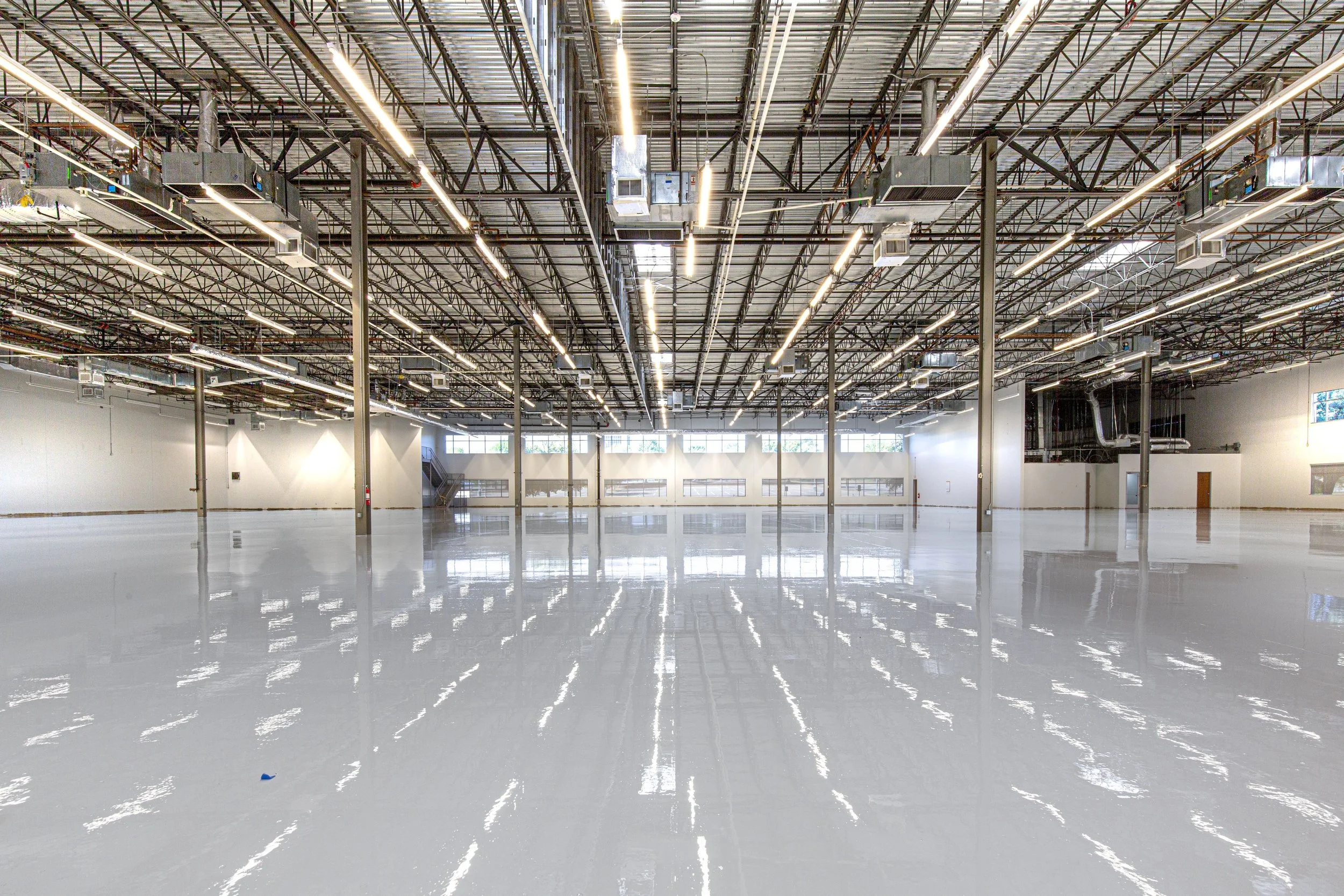
Walk into any facility and a dull, scuffed floor tells visitors something before a single word is spoken. But worn finish isn't just a look — it's a safety issue. Old, built-up wax traps grit that scratches and dulls the surface, and a finish that's broken down unevenly can actually become more slippery, not less. For facility and operations managers responsible for VCT, terrazzo, or other hard-surface floors, understanding when and how to strip and refinish is one of the more overlooked parts of a maintenance budget — and one of the more expensive ones to get wrong.
Why Strip and Finish in the First Place
Beyond appearance, floor finish is a protective layer that shields tile from foot traffic, spills, and cleaning chemicals, and it directly affects slip resistance. That matters more than most budgets reflect: slips, trips, and falls account for an estimated 12 to 15 percent of all workers' compensation expenses nationally, and the average slip-and-fall injury costs employers roughly $40,000 per incident. OSHA's walking-working surfaces standard requires that workroom floors be kept clean and, so far as possible, dry — a standard that's easier to meet on a floor with an intact finish than one with a worn, patchy coat that traps moisture and grime unevenly.
The Three-Stage Process: Clean, Strip, Refinish
A proper strip-and-refinish job breaks into three stages. Cleaning comes first — sweeping, dust-mopping, and removing anything stuck to the tile so the stripping chemical can work on the finish itself rather than surface debris. Stripping follows: stripper is applied and allowed to dwell for the manufacturer's recommended time (typically five to ten minutes) before a floor machine with a stripping pad works it into the old finish, which is then picked up with a wet vacuum and rinsed at least twice to remove all residue. Skipping the rinse is one of the most common reasons a new finish fails to bond. Refinishing is last: thin, even coats — commercial floors typically need three to six — go down with roughly 45 minutes of dry time between each to prevent streaking, hazing, or premature wear.
How Often Should You Strip and Refinish?
The right frequency depends on traffic and how consistently a floor is maintained between full jobs. Floors that aren't burnished regularly typically need a full strip and refinish every six to nine months; floors on a consistent burnishing and scrub-and-recoat schedule can often stretch to once a year. High-traffic areas — entryways, hallways, break rooms — wear faster than low-traffic offices regardless of your overall routine. Daily dust-mopping and periodic deep scrubbing with a single recoat are what stretch the time between full restorative jobs.
Common Mistakes That Shorten a Finish's Life
Most premature finish failures trace back to a handful of avoidable errors: coats applied too thick, which prevents proper curing and leads to peeling; skipping dry time between coats; applying finish over a floor that isn't fully dry from rinsing; and skipping wet-floor signage during stripping. Stripper solution is notably slippery, and starting a floor machine with feet already on wet stripper is a common cause of on-the-job injuries. The wrong pad aggressiveness or an incorrect stripper dilution can also leave residue that keeps a new finish from bonding evenly.
Frequently Asked Questions
How often should commercial floors be stripped and waxed?
Most commercial floors need a full strip and refinish every six months to a year, depending on traffic and how consistently they're maintained between jobs. High-traffic entryways and hallways typically need it more often than low-traffic office space.
How many coats of finish does a commercial floor actually need?
Most commercial applications call for three to six thin, even coats, with roughly 45 minutes of dry time between each to avoid streaking or premature wear. More coats generally means more durability but also more time and material cost.
Is floor stripping dangerous, and what precautions matter most?
Floor stripper solution is very slippery, so wet-floor signage, proper PPE, and starting equipment from dry tile rather than wet stripper are essential precautions. Facilities should also clear the area and never apply stripper near carpet, since it can pull color out if it splashes.
Can regular burnishing extend the time between full strip-and-refinish jobs?
Yes. Floors on a consistent daily dust-mop and periodic burnishing routine, with occasional scrub-and-recoat maintenance, can often go a full year between restorative strip jobs, compared to six to nine months for floors without a regular maintenance routine.
What's the difference between a scrub-and-recoat and a full strip and refinish?
A scrub-and-recoat deep-cleans the existing finish and adds a single new topcoat without removing all prior layers — it's faster and less chemical-intensive. A full strip and refinish removes all old finish down to bare tile before applying multiple fresh coats, and is reserved for floors with heavy buildup or damage that scrub-and-recoat can't address.