
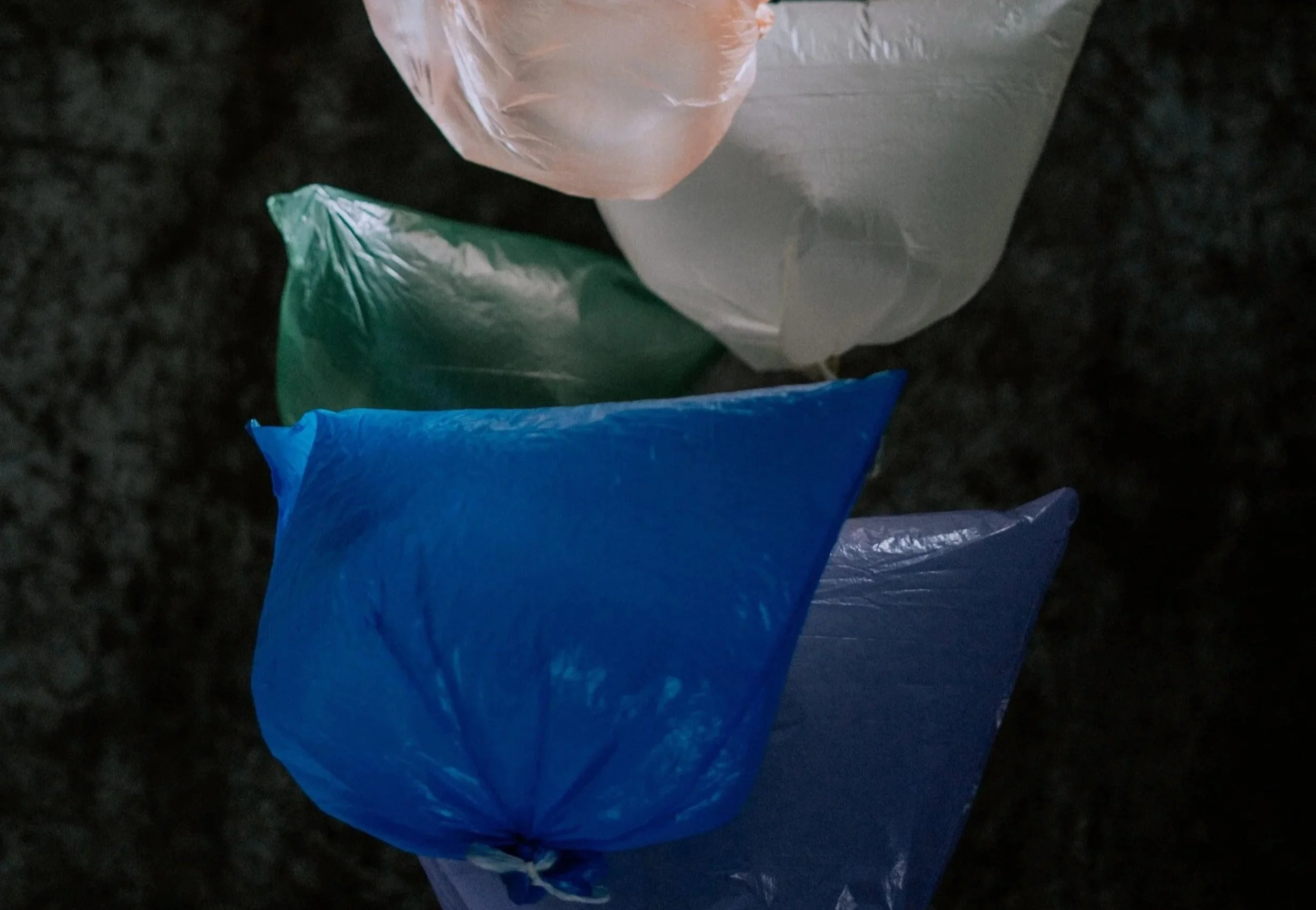
A torn can liner in a break room is an annoyance. A torn can liner in a surgical suite, a kitchen, or a loading dock full of jagged scrap is a real problem — and often it’s not a bad bag, it’s the wrong bag for the job. Sometimes facility managers default to whatever liner has always been ordered, without realizing that “can liner” actually covers several distinct resin types, gauges, and seal styles, each built for a different kind of waste. Choosing correctly cuts both cost and the number of bags that fail mid-shift.
High-Density vs. Low-Density: The Core Decision
Nearly every can liner on the market is made from one of two resin families, and they behave very differently. High-density polyethylene (HDPE) liners are thin, crinkly, and measured in microns; they’re lightweight, economical, and hold up well against heat, making them a good fit for offices, restrooms, and light, dry trash where puncture risk is low. Low-density polyethylene (LDPE) and linear low-density (LLDPE) liners are thicker, quieter, and measured in mils; they stretch rather than tear, which makes them far more puncture- and rip-resistant for sharp, heavy, or wet waste like food scraps, broken glass, or construction debris. The simplest way to decide: if what’s going in the can could poke, cut, or tear a bag, go low-density. If it’s ordinary dry office or restroom waste, high-density is usually the more economical choice.
Reading the Gauge: Mils vs. Microns
Thickness is where most ordering mistakes happen, because the two resin types use different units. LDPE and LLDPE liners are rated in mils, with one mil equal to one-thousandth of an inch and typical liners ranging from about 0.3 to 6 mils depending on load. HDPE liners are rated in microns, a much smaller unit, so a “14 micron” liner and a “1.5 mil” liner can offer comparable strength despite the numbers looking different at first glance. As a rough conversion, one mil equals about 25 microns. The right gauge follows the load: lighter gauges for paper and general office refuse, heavier gauges for wet, heavy, or sharp-edged waste, regardless of resin type.
Seal Style and Roll Format Matter Too
Beyond resin and gauge, how the bottom of the liner is sealed affects performance. A star seal folds and seals the bottom in multiple layers and is generally the strongest seal on the market, closing gaps where leaks tend to start. A flat seal is a simple bottom seam that maximizes usable bag length and resists leaks well. A gusset seal tucks both bottom corners in, which is common on lower-cost liners but tends to leak more readily with wet waste. Liners also come on cored rolls, which dispense from a box like paper towels, or coreless rolls, which pack more liners into less shelf space.
Matching Liner to Application
Restrooms and offices generally do fine with a lighter high-density liner swapped frequently. Kitchens, food service, and janitorial closets handling wet or heavy waste call for a heavier low-density or linear low-density liner that won’t zipper open under weight. Healthcare and manufacturing settings often need liners matched to specific regulatory or biohazard requirements rather than general-purpose stock, and construction or industrial sites with sharp debris should treat puncture resistance as the top priority. Getting this wrong shows up fast either way: too light a liner means torn bags and mid-shift cleanup; too heavy a liner in a low-risk application just means paying more per can than the job requires.
Frequently Asked Questions
What’s the real difference between high-density and low-density can liners?
High-density (HDPE) liners are thinner, lighter, and more economical, suited to dry, light waste. Low-density (LDPE/LLDPE) liners are thicker, stretchier, and far more puncture-resistant, making them the better choice for heavy, wet, or sharp waste.
How do I compare a liner rated in mils to one rated in microns?
Mils measure low-density liner thickness and microns measure high-density liner thickness; roughly, one mil equals about 25 microns. Match the liner to the waste stream first, then compare gauge within that resin type.
What is a star seal and why does it matter?
A star seal is a folded, multi-layer bottom seal that closes gaps where leaks typically start. It’s generally the strongest and most leak-resistant seal style, which is why it’s the most common option for wet or heavy trash.
Do I need different liners for different areas of my facility?
In most facilities, yes. A single liner spec rarely fits both a restroom can and a kitchen or loading dock, and standardizing on one heavy-duty liner for everything usually means overpaying for light-duty applications.
Can a lighter liner actually save money if it fails more often?
Not usually. A liner that tears mid-use costs more in cleanup time and replacement bags than the savings from a lower price per case — matching gauge to the waste stream is typically cheaper over time.
The right can liner is the one built for what’s actually going in the can, not just the cheapest case on the shelf.
Contact A-1 Chemical to review your current liner program across restrooms, kitchens, and industrial areas!